In a matter of hours Monday, in one of the wildest days in the history of college sports reform, the Mountain West moved to live with its eight football affiliates in a deal which is now in the process of being completely abolished.
The Pac-12’s rebuilding efforts could ultimately cost its sister conference if UNLV accepts its bid to join. Such a move would create a strong incentive for the Mountain West to become independent, possibly including the elimination of exit fees and other penalties for members who leave the conference.
Sources with knowledge of Mountain West strategy spoke to Yahoo Sports about the possibility, which most MWC and Pac-12 officials are familiar with.
Come Tuesday, attention will be on the decision from UNLV, the school placed at the heart of this frenzy of flexibility — something that could be at stake in the battle between the Pac-12 and the Mountain West.
UNLV’s decision seems significant for more than one reason.
The Rebels, for one, will be the Pac-12’s new pledge, the number the league needs to meet minimum NCAA and CFP requirements. They would join Oregon State, Washington State, Boise State, Colorado State, San Diego State, Fresno State and Utah State in what is a conference at the top of the old Mountain West and the bottom of the old Pac-12 .
UNLV’s departure would also do one more thing: It would reduce the Mountain West’s membership to six football members and five full-time members (Hawaii is the other member competing in football). feet only).
UNLV’s exit could send Air Force into serious negotiations with the American Athletic Conference. AAC Commissioner Tim Pernetti has been in talks with the school now for over a week about getting, at least, the Air Force football program a partial membership to join its military brothers in the Navy. and Army.
If it agrees to leave, the Air Force will be the seventh member to leave the conference. According to Mountain West rules, support from nine of the 12 football members is required to dissolve the conference.
In short, two of the five remaining members of the Mountain West – Wyoming, Hawaii, San Jose State, Nevada and New Mexico – will have to vote to support the dissolution.
The question arises: Can the Pac-12 invite two of them to avoid $120 million in exit and penalty fees?
«That’s the game, honestly,» says one athletic director familiar with the situation.
Such a bold move. The dissolution of the league means the closure of the conference office, the elimination of many employees and the disappearance of the league brand itself.
Many expected that the Big Ten and Big 12’s merger with the Pac-12 would result in the complete destruction of that brand and the conference as an institution. Instead, that conference is doing for the Mountain West what the big leagues have tried to do.
There are many other hurdles to cross before that, but it remains more than an outside chance, according to those who discussed the matter.
The first obstacle is a decision from UNLV, which, in many ways, controls the future of the Mountain West and the Pac-12’s expansion decisions.
At the end of the day Monday, the Rebels expressed their commitment to the Mountain West, agreeing to terms that bind all eight remaining universities and secure the future of the league. However, the agreement required the support of eight members to become a legally binding document (reminder: the FBS minimum is eight members who play football).
In a surprising revelation, the Mountain West Conference office has received signed offers from seven of the eight schools, including UNLV, according to people familiar with the matter.
«Utah State was waiting for UNLV to sign before signing,» a Mountain West official said. «When UNLV signed, Utah State didn’t.»
Utah State’s decision to leave the conference effectively cancels the deal without an eighth-member school. Any expansion aimed at rebuilding the Mountain West to eight members would require a new agreement.
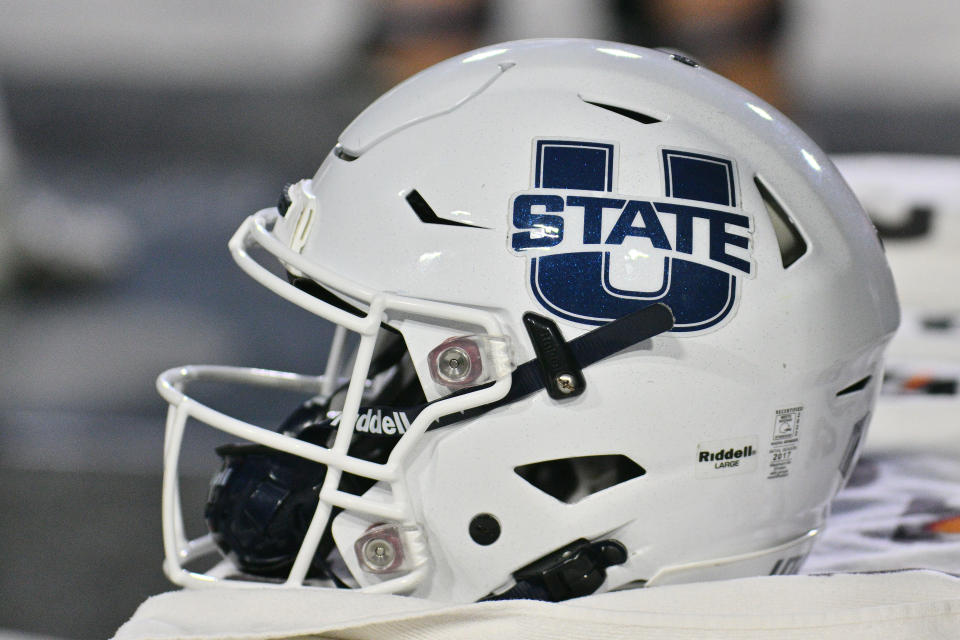
In short, the Aggies’ decision may start a chain of events leading to the complete destruction of their old conference. Or,UNLV officials could decide to stay with the Mountain West and accept a signing bonus of more than $10 million, most of which is derived from the specified exit fees to be paid to MWC from departing schools.
UNLV’s decision comes with political strings attached. While it is not tied to its state rival, Nevada-Reno, a split with it could be disastrous.
The Nevada System of Higher Education and its board of regents govern both schools and must approve decisions related to the merger. The current governor of the state, Joe Lombardo, is a graduate of UNLV. The president of the University of Nevada-Reno, Brian Sandoval, is a two-term state governor who is respected and powerful among the regents.
A decision from UNLV is expected soon, as soon as Tuesday.
While Utah State’s decision was unexpected — USU received a Pac-12 expansion offer last week — the Aggies’ move capped a storm that began with AAC members Memphis, Tulane and South Florida Get the schedule from the Pac-12.
The courtship that started more than a week ago finally culminated in a formal proposal. AAC school administrators objected to these terms: estimated annual revenue of $10-$15 million, a five-year franchise grant through 2030-31 and a small grant ($ 2.5 per school) with an AAC exit fee of more than $20 million.
Their decision sent the Pac-12 back out West to attack its little sister — a move that could ultimately lead to the conference’s true demise.
#MWC #coming #UNLV #holds #keys #future #battle #Pac12 #Mountain #WestIn a matter of hours Monday, in one of the wildest days in the history of college sports reform, the Mountain West moved to live with its eight football affiliates in a deal which is now in the process of being completely abolished.
The Pac-12’s rebuilding efforts could ultimately cost its sister conference if UNLV accepts its bid to join. Such a move would create a strong incentive for the Mountain West to become independent, possibly including the elimination of exit fees and other penalties for members who leave the conference.
Sources with knowledge of Mountain West strategy spoke to Yahoo Sports about the possibility, which most MWC and Pac-12 officials are familiar with.
Come Tuesday, attention will be on the decision from UNLV, the school placed at the heart of this frenzy of flexibility — something that could be at stake in the battle between the Pac-12 and the Mountain West.
UNLV’s decision seems significant for more than one reason.
The Rebels, for one, will be the Pac-12’s new pledge, the number the league needs to meet minimum NCAA and CFP requirements. They would join Oregon State, Washington State, Boise State, Colorado State, San Diego State, Fresno State and Utah State in what is a conference at the top of the old Mountain West and the bottom of the old Pac-12 .
UNLV’s departure would also do one more thing: It would reduce the Mountain West’s membership to six football members and five full-time members (Hawaii is the other member competing in football). feet only).
UNLV’s exit could send Air Force into serious negotiations with the American Athletic Conference. AAC Commissioner Tim Pernetti has been in talks with the school now for over a week about getting, at least, the Air Force football program a partial membership to join its military brothers in the Navy. and Army.
If it agrees to leave, the Air Force will be the seventh member to leave the conference. According to Mountain West rules, support from nine of the 12 football members is required to dissolve the conference.
In short, two of the five remaining members of the Mountain West – Wyoming, Hawaii, San Jose State, Nevada and New Mexico – will have to vote to support the dissolution.
The question arises: Can the Pac-12 invite two of them to avoid $120 million in exit and penalty fees?
«That’s the game, honestly,» says one athletic director familiar with the situation.
Such a bold move. The dissolution of the league means the closure of the conference office, the elimination of many employees and the disappearance of the league brand itself.
Many expected that the Big Ten and Big 12’s merger with the Pac-12 would result in the complete destruction of that brand and the conference as an institution. Instead, that conference is doing for the Mountain West what the big leagues have tried to do.
There are many other hurdles to cross before that, but it remains more than an outside chance, according to those who discussed the matter.
The first obstacle is a decision from UNLV, which, in many ways, controls the future of the Mountain West and the Pac-12’s expansion decisions.
At the end of the day Monday, the Rebels expressed their commitment to the Mountain West, agreeing to terms that bind all eight remaining universities and secure the future of the league. However, the agreement required the support of eight members to become a legally binding document (reminder: the FBS minimum is eight members who play football).
In a surprising revelation, the Mountain West Conference office has received signed offers from seven of the eight schools, including UNLV, according to people familiar with the matter.
«Utah State was waiting for UNLV to sign before signing,» a Mountain West official said. «When UNLV signed, Utah State didn’t.»
Utah State’s decision to leave the conference effectively cancels the deal without an eighth-member school. Any expansion aimed at rebuilding the Mountain West to eight members would require a new agreement.
In short, the Aggies’ decision may start a chain of events leading to the complete destruction of their old conference. Or,UNLV officials could decide to stay with the Mountain West and accept a signing bonus of more than $10 million, most of which is derived from the specified exit fees to be paid to MWC from departing schools.
UNLV’s decision comes with political strings attached. While it is not tied to its state rival, Nevada-Reno, a split with it could be disastrous.
The Nevada System of Higher Education and its board of regents govern both schools and must approve decisions related to the merger. The current governor of the state, Joe Lombardo, is a graduate of UNLV. The president of the University of Nevada-Reno, Brian Sandoval, is a two-term state governor who is respected and powerful among the regents.
A decision from UNLV is expected soon, as soon as Tuesday.
While Utah State’s decision was unexpected — USU received a Pac-12 expansion offer last week — the Aggies’ move capped a storm that began with AAC members Memphis, Tulane and South Florida Get the schedule from the Pac-12.
The courtship that started more than a week ago finally culminated in a formal proposal. AAC school administrators objected to these terms: estimated annual revenue of $10-$15 million, a five-year franchise grant through 2030-31 and a small grant ($ 2.5 per school) with an AAC exit fee of more than $20 million.
Their decision sent the Pac-12 back out West to attack its little sister — a move that could ultimately lead to the conference’s true demise.
#MWC #coming #UNLV #holds #keys #future #battle #Pac12 #Mountain #WestIn a matter of hours Monday, in one of the wildest days in the history of college sports reform, the Mountain West moved to live with its eight football affiliates in a deal which is now in the process of being completely abolished.
The Pac-12’s rebuilding efforts could ultimately cost its sister conference if UNLV accepts its bid to join. Such a move would create a strong incentive for the Mountain West to become independent, possibly including the elimination of exit fees and other penalties for members who leave the conference.
Sources with knowledge of Mountain West strategy spoke to Yahoo Sports about the possibility, which most MWC and Pac-12 officials are familiar with.
Come Tuesday, attention will be on the decision from UNLV, the school placed at the heart of this frenzy of flexibility — something that could be at stake in the battle between the Pac-12 and the Mountain West.
UNLV’s decision seems significant for more than one reason.
The Rebels, for one, will be the Pac-12’s new pledge, the number the league needs to meet minimum NCAA and CFP requirements. They would join Oregon State, Washington State, Boise State, Colorado State, San Diego State, Fresno State and Utah State in what is a conference at the top of the old Mountain West and the bottom of the old Pac-12 .
UNLV’s departure would also do one more thing: It would reduce the Mountain West’s membership to six football members and five full-time members (Hawaii is the other member competing in football). feet only).
UNLV’s exit could send Air Force into serious negotiations with the American Athletic Conference. AAC Commissioner Tim Pernetti has been in talks with the school now for over a week about getting, at least, the Air Force football program a partial membership to join its military brothers in the Navy. and Army.
If it agrees to leave, the Air Force will be the seventh member to leave the conference. According to Mountain West rules, support from nine of the 12 football members is required to dissolve the conference.
In short, two of the five remaining members of the Mountain West – Wyoming, Hawaii, San Jose State, Nevada and New Mexico – will have to vote to support the dissolution.
The question arises: Can the Pac-12 invite two of them to avoid $120 million in exit and penalty fees?
«That’s the game, honestly,» says one athletic director familiar with the situation.
Such a bold move. The dissolution of the league means the closure of the conference office, the elimination of many employees and the disappearance of the league brand itself.
Many expected that the Big Ten and Big 12’s merger with the Pac-12 would result in the complete destruction of that brand and the conference as an institution. Instead, that conference is doing for the Mountain West what the big leagues have tried to do.
There are many other hurdles to cross before that, but it remains more than an outside chance, according to those who discussed the matter.
The first obstacle is a decision from UNLV, which, in many ways, controls the future of the Mountain West and the Pac-12’s expansion decisions.
At the end of the day Monday, the Rebels expressed their commitment to the Mountain West, agreeing to terms that bind all eight remaining universities and secure the future of the league. However, the agreement required the support of eight members to become a legally binding document (reminder: the FBS minimum is eight members who play football).
In a surprising revelation, the Mountain West Conference office has received signed offers from seven of the eight schools, including UNLV, according to people familiar with the matter.
«Utah State was waiting for UNLV to sign before signing,» a Mountain West official said. «When UNLV signed, Utah State didn’t.»
Utah State’s decision to leave the conference effectively cancels the deal without an eighth-member school. Any expansion aimed at rebuilding the Mountain West to eight members would require a new agreement.
In short, the Aggies’ decision may start a chain of events leading to the complete destruction of their old conference. Or,UNLV officials could decide to stay with the Mountain West and accept a signing bonus of more than $10 million, most of which is derived from the specified exit fees to be paid to MWC from departing schools.
UNLV’s decision comes with political strings attached. While it is not tied to its state rival, Nevada-Reno, a split with it could be disastrous.
The Nevada System of Higher Education and its board of regents govern both schools and must approve decisions related to the merger. The current governor of the state, Joe Lombardo, is a graduate of UNLV. The president of the University of Nevada-Reno, Brian Sandoval, is a two-term state governor who is respected and powerful among the regents.
A decision from UNLV is expected soon, as soon as Tuesday.
While Utah State’s decision was unexpected — USU received a Pac-12 expansion offer last week — the Aggies’ move capped a storm that began with AAC members Memphis, Tulane and South Florida Get the schedule from the Pac-12.
The courtship that started more than a week ago finally culminated in a formal proposal. AAC school administrators objected to these terms: estimated annual revenue of $10-$15 million, a five-year franchise grant through 2030-31 and a small grant ($ 2.5 per school) with an AAC exit fee of more than $20 million.
Their decision sent the Pac-12 back out West to attack its little sister — a move that could ultimately lead to the conference’s true demise.
#MWC #coming #UNLV #holds #keys #future #battle #Pac12 #Mountain #WestIn a matter of hours Monday, in one of the wildest days in the history of college sports reform, the Mountain West moved to live with its eight football affiliates in a deal which is now in the process of being completely abolished.
The Pac-12’s rebuilding efforts could ultimately cost its sister conference if UNLV accepts its bid to join. Such a move would create a strong incentive for the Mountain West to become independent, possibly including the elimination of exit fees and other penalties for members who leave the conference.
Sources with knowledge of Mountain West strategy spoke to Yahoo Sports about the possibility, which most MWC and Pac-12 officials are familiar with.
Come Tuesday, attention will be on the decision from UNLV, the school placed at the heart of this frenzy of flexibility — something that could be at stake in the battle between the Pac-12 and the Mountain West.
UNLV’s decision seems significant for more than one reason.
The Rebels, for one, will be the Pac-12’s new pledge, the number the league needs to meet minimum NCAA and CFP requirements. They would join Oregon State, Washington State, Boise State, Colorado State, San Diego State, Fresno State and Utah State in what is a conference at the top of the old Mountain West and the bottom of the old Pac-12 .
UNLV’s departure would also do one more thing: It would reduce the Mountain West’s membership to six football members and five full-time members (Hawaii is the other member competing in football). feet only).
UNLV’s exit could send Air Force into serious negotiations with the American Athletic Conference. AAC Commissioner Tim Pernetti has been in talks with the school now for over a week about getting, at least, the Air Force football program a partial membership to join its military brothers in the Navy. and Army.
If it agrees to leave, the Air Force will be the seventh member to leave the conference. According to Mountain West rules, support from nine of the 12 football members is required to dissolve the conference.
In short, two of the five remaining members of the Mountain West – Wyoming, Hawaii, San Jose State, Nevada and New Mexico – will have to vote to support the dissolution.
The question arises: Can the Pac-12 invite two of them to avoid $120 million in exit and penalty fees?
«That’s the game, honestly,» says one athletic director familiar with the situation.
Such a bold move. The dissolution of the league means the closure of the conference office, the elimination of many employees and the disappearance of the league brand itself.
Many expected that the Big Ten and Big 12’s merger with the Pac-12 would result in the complete destruction of that brand and the conference as an institution. Instead, that conference is doing for the Mountain West what the big leagues have tried to do.
There are many other hurdles to cross before that, but it remains more than an outside chance, according to those who discussed the matter.
The first obstacle is a decision from UNLV, which, in many ways, controls the future of the Mountain West and the Pac-12’s expansion decisions.
At the end of the day Monday, the Rebels expressed their commitment to the Mountain West, agreeing to terms that bind all eight remaining universities and secure the future of the league. However, the agreement required the support of eight members to become a legally binding document (reminder: the FBS minimum is eight members who play football).
In a surprising revelation, the Mountain West Conference office has received signed offers from seven of the eight schools, including UNLV, according to people familiar with the matter.
«Utah State was waiting for UNLV to sign before signing,» a Mountain West official said. «When UNLV signed, Utah State didn’t.»
Utah State’s decision to leave the conference effectively cancels the deal without an eighth-member school. Any expansion aimed at rebuilding the Mountain West to eight members would require a new agreement.
In short, the Aggies’ decision may start a chain of events leading to the complete destruction of their old conference. Or,UNLV officials could decide to stay with the Mountain West and accept a signing bonus of more than $10 million, most of which is derived from the specified exit fees to be paid to MWC from departing schools.
UNLV’s decision comes with political strings attached. While it is not tied to its state rival, Nevada-Reno, a split with it could be disastrous.
The Nevada System of Higher Education and its board of regents govern both schools and must approve decisions related to the merger. The current governor of the state, Joe Lombardo, is a graduate of UNLV. The president of the University of Nevada-Reno, Brian Sandoval, is a two-term state governor who is respected and powerful among the regents.
A decision from UNLV is expected soon, as soon as Tuesday.
While Utah State’s decision was unexpected — USU received a Pac-12 expansion offer last week — the Aggies’ move capped a storm that began with AAC members Memphis, Tulane and South Florida Get the schedule from the Pac-12.
The courtship that started more than a week ago finally culminated in a formal proposal. AAC school administrators objected to these terms: estimated annual revenue of $10-$15 million, a five-year franchise grant through 2030-31 and a small grant ($ 2.5 per school) with an AAC exit fee of more than $20 million.
Their decision sent the Pac-12 back out West to attack its little sister — a move that could ultimately lead to the conference’s true demise.
#MWC #coming #UNLV #holds #keys #future #battle #Pac12 #Mountain #West
In a matter of hours Monday, in one of the wildest days in the history of college sports reform, the Mountain West moved to live with its eight football affiliates in a deal which is now in the process of being completely abolished.
The Pac-12’s rebuilding efforts could ultimately cost its sister conference if UNLV accepts its bid to join. Such a move would create a strong incentive for the Mountain West to become independent, possibly including the elimination of exit fees and other penalties for members who leave the conference.
Sources with knowledge of Mountain West strategy spoke to Yahoo Sports about the possibility, which most MWC and Pac-12 officials are familiar with.
Come Tuesday, attention will be on the decision from UNLV, the school placed at the heart of this frenzy of flexibility — something that could be at stake in the battle between the Pac-12 and the Mountain West.
UNLV’s decision seems significant for more than one reason.
The Rebels, for one, will be the Pac-12’s new pledge, the number the league needs to meet minimum NCAA and CFP requirements. They would join Oregon State, Washington State, Boise State, Colorado State, San Diego State, Fresno State and Utah State in what is a conference at the top of the old Mountain West and the bottom of the old Pac-12 .
UNLV’s departure would also do one more thing: It would reduce the Mountain West’s membership to six football members and five full-time members (Hawaii is the other member competing in football). feet only).
UNLV’s exit could send Air Force into serious negotiations with the American Athletic Conference. AAC Commissioner Tim Pernetti has been in talks with the school now for over a week about getting, at least, the Air Force football program a partial membership to join its military brothers in the Navy. and Army.
If it agrees to leave, the Air Force will be the seventh member to leave the conference. According to Mountain West rules, support from nine of the 12 football members is required to dissolve the conference.
In short, two of the five remaining members of the Mountain West – Wyoming, Hawaii, San Jose State, Nevada and New Mexico – will have to vote to support the dissolution.
The question arises: Can the Pac-12 invite two of them to avoid $120 million in exit and penalty fees?
«That’s the game, honestly,» says one athletic director familiar with the situation.
Such a bold move. The dissolution of the league means the closure of the conference office, the elimination of many employees and the disappearance of the league brand itself.
Many expected that the Big Ten and Big 12’s merger with the Pac-12 would result in the complete destruction of that brand and the conference as an institution. Instead, that conference is doing for the Mountain West what the big leagues have tried to do.
There are many other hurdles to cross before that, but it remains more than an outside chance, according to those who discussed the matter.
The first obstacle is a decision from UNLV, which, in many ways, controls the future of the Mountain West and the Pac-12’s expansion decisions.
At the end of the day Monday, the Rebels expressed their commitment to the Mountain West, agreeing to terms that bind all eight remaining universities and secure the future of the league. However, the agreement required the support of eight members to become a legally binding document (reminder: the FBS minimum is eight members who play football).
In a surprising revelation, the Mountain West Conference office has received signed offers from seven of the eight schools, including UNLV, according to people familiar with the matter.
«Utah State was waiting for UNLV to sign before signing,» a Mountain West official said. «When UNLV signed, Utah State didn’t.»
Utah State’s decision to leave the conference effectively cancels the deal without an eighth-member school. Any expansion aimed at rebuilding the Mountain West to eight members would require a new agreement.
In short, the Aggies’ decision may start a chain of events leading to the complete destruction of their old conference. Or,UNLV officials could decide to stay with the Mountain West and accept a signing bonus of more than $10 million, most of which is derived from the specified exit fees to be paid to MWC from departing schools.
UNLV’s decision comes with political strings attached. While it is not tied to its state rival, Nevada-Reno, a split with it could be disastrous.
The Nevada System of Higher Education and its board of regents govern both schools and must approve decisions related to the merger. The current governor of the state, Joe Lombardo, is a graduate of UNLV. The president of the University of Nevada-Reno, Brian Sandoval, is a two-term state governor who is respected and powerful among the regents.
A decision from UNLV is expected soon, as soon as Tuesday.
While Utah State’s decision was unexpected — USU received a Pac-12 expansion offer last week — the Aggies’ move capped a storm that began with AAC members Memphis, Tulane and South Florida Get the schedule from the Pac-12.
The courtship that started more than a week ago finally culminated in a formal proposal. AAC school administrators objected to these terms: estimated annual revenue of $10-$15 million, a five-year franchise grant through 2030-31 and a small grant ($ 2.5 per school) with an AAC exit fee of more than $20 million.
Their decision sent the Pac-12 back out West to attack its little sister — a move that could ultimately lead to the conference’s true demise.
#MWC #coming #UNLV #holds #keys #future #battle #Pac12 #Mountain #WestIn a matter of hours Monday, in one of the wildest days in the history of college sports reform, the Mountain West moved to live with its eight football affiliates in a deal which is now in the process of being completely abolished.
The Pac-12’s rebuilding efforts could ultimately cost its sister conference if UNLV accepts its bid to join. Such a move would create a strong incentive for the Mountain West to become independent, possibly including the elimination of exit fees and other penalties for members who leave the conference.
Sources with knowledge of Mountain West strategy spoke to Yahoo Sports about the possibility, which most MWC and Pac-12 officials are familiar with.
Come Tuesday, attention will be on the decision from UNLV, the school placed at the heart of this frenzy of flexibility — something that could be at stake in the battle between the Pac-12 and the Mountain West.
UNLV’s decision seems significant for more than one reason.
The Rebels, for one, will be the Pac-12’s new pledge, the number the league needs to meet minimum NCAA and CFP requirements. They would join Oregon State, Washington State, Boise State, Colorado State, San Diego State, Fresno State and Utah State in what is a conference at the top of the old Mountain West and the bottom of the old Pac-12 .
UNLV’s departure would also do one more thing: It would reduce the Mountain West’s membership to six football members and five full-time members (Hawaii is the other member competing in football). feet only).
UNLV’s exit could send Air Force into serious negotiations with the American Athletic Conference. AAC Commissioner Tim Pernetti has been in talks with the school now for over a week about getting, at least, the Air Force football program a partial membership to join its military brothers in the Navy. and Army.
If it agrees to leave, the Air Force will be the seventh member to leave the conference. According to Mountain West rules, support from nine of the 12 football members is required to dissolve the conference.
In short, two of the five remaining members of the Mountain West – Wyoming, Hawaii, San Jose State, Nevada and New Mexico – will have to vote to support the dissolution.
The question arises: Can the Pac-12 invite two of them to avoid $120 million in exit and penalty fees?
«That’s the game, honestly,» says one athletic director familiar with the situation.
Such a bold move. The dissolution of the league means the closure of the conference office, the elimination of many employees and the disappearance of the league brand itself.
Many expected that the Big Ten and Big 12’s merger with the Pac-12 would result in the complete destruction of that brand and the conference as an institution. Instead, that conference is doing for the Mountain West what the big leagues have tried to do.
There are many other hurdles to cross before that, but it remains more than an outside chance, according to those who discussed the matter.
The first obstacle is a decision from UNLV, which, in many ways, controls the future of the Mountain West and the Pac-12’s expansion decisions.
At the end of the day Monday, the Rebels expressed their commitment to the Mountain West, agreeing to terms that bind all eight remaining universities and secure the future of the league. However, the agreement required the support of eight members to become a legally binding document (reminder: the FBS minimum is eight members who play football).
In a surprising revelation, the Mountain West Conference office has received signed offers from seven of the eight schools, including UNLV, according to people familiar with the matter.
«Utah State was waiting for UNLV to sign before signing,» a Mountain West official said. «When UNLV signed, Utah State didn’t.»
Utah State’s decision to leave the conference effectively cancels the deal without an eighth-member school. Any expansion aimed at rebuilding the Mountain West to eight members would require a new agreement.
In short, the Aggies’ decision may start a chain of events leading to the complete destruction of their old conference. Or,UNLV officials could decide to stay with the Mountain West and accept a signing bonus of more than $10 million, most of which is derived from the specified exit fees to be paid to MWC from departing schools.
UNLV’s decision comes with political strings attached. While it is not tied to its state rival, Nevada-Reno, a split with it could be disastrous.
The Nevada System of Higher Education and its board of regents govern both schools and must approve decisions related to the merger. The current governor of the state, Joe Lombardo, is a graduate of UNLV. The president of the University of Nevada-Reno, Brian Sandoval, is a two-term state governor who is respected and powerful among the regents.
A decision from UNLV is expected soon, as soon as Tuesday.
While Utah State’s decision was unexpected — USU received a Pac-12 expansion offer last week — the Aggies’ move capped a storm that began with AAC members Memphis, Tulane and South Florida Get the schedule from the Pac-12.
The courtship that started more than a week ago finally culminated in a formal proposal. AAC school administrators objected to these terms: estimated annual revenue of $10-$15 million, a five-year franchise grant through 2030-31 and a small grant ($ 2.5 per school) with an AAC exit fee of more than $20 million.
Their decision sent the Pac-12 back out West to attack its little sister — a move that could ultimately lead to the conference’s true demise.
#MWC #coming #UNLV #holds #keys #future #battle #Pac12 #Mountain #WestIn a matter of hours Monday, in one of the wildest days in the history of college sports reform, the Mountain West moved to live with its eight football affiliates in a deal which is now in the process of being completely abolished.
The Pac-12’s rebuilding efforts could ultimately cost its sister conference if UNLV accepts its bid to join. Such a move would create a strong incentive for the Mountain West to become independent, possibly including the elimination of exit fees and other penalties for members who leave the conference.
Sources with knowledge of Mountain West strategy spoke to Yahoo Sports about the possibility, which most MWC and Pac-12 officials are familiar with.
Come Tuesday, attention will be on the decision from UNLV, the school placed at the heart of this frenzy of flexibility — something that could be at stake in the battle between the Pac-12 and the Mountain West.
UNLV’s decision seems significant for more than one reason.
The Rebels, for one, will be the Pac-12’s new pledge, the number the league needs to meet minimum NCAA and CFP requirements. They would join Oregon State, Washington State, Boise State, Colorado State, San Diego State, Fresno State and Utah State in what is a conference at the top of the old Mountain West and the bottom of the old Pac-12 .
UNLV’s departure would also do one more thing: It would reduce the Mountain West’s membership to six football members and five full-time members (Hawaii is the other member competing in football). feet only).
UNLV’s exit could send Air Force into serious negotiations with the American Athletic Conference. AAC Commissioner Tim Pernetti has been in talks with the school now for over a week about getting, at least, the Air Force football program a partial membership to join its military brothers in the Navy. and Army.
If it agrees to leave, the Air Force will be the seventh member to leave the conference. According to Mountain West rules, support from nine of the 12 football members is required to dissolve the conference.
In short, two of the five remaining members of the Mountain West – Wyoming, Hawaii, San Jose State, Nevada and New Mexico – will have to vote to support the dissolution.
The question arises: Can the Pac-12 invite two of them to avoid $120 million in exit and penalty fees?
«That’s the game, honestly,» says one athletic director familiar with the situation.
Such a bold move. The dissolution of the league means the closure of the conference office, the elimination of many employees and the disappearance of the league brand itself.
Many expected that the Big Ten and Big 12’s merger with the Pac-12 would result in the complete destruction of that brand and the conference as an institution. Instead, that conference is doing for the Mountain West what the big leagues have tried to do.
There are many other hurdles to cross before that, but it remains more than an outside chance, according to those who discussed the matter.
The first obstacle is a decision from UNLV, which, in many ways, controls the future of the Mountain West and the Pac-12’s expansion decisions.
At the end of the day Monday, the Rebels expressed their commitment to the Mountain West, agreeing to terms that bind all eight remaining universities and secure the future of the league. However, the agreement required the support of eight members to become a legally binding document (reminder: the FBS minimum is eight members who play football).
In a surprising revelation, the Mountain West Conference office has received signed offers from seven of the eight schools, including UNLV, according to people familiar with the matter.
«Utah State was waiting for UNLV to sign before signing,» a Mountain West official said. «When UNLV signed, Utah State didn’t.»
Utah State’s decision to leave the conference effectively cancels the deal without an eighth-member school. Any expansion aimed at rebuilding the Mountain West to eight members would require a new agreement.
In short, the Aggies’ decision may start a chain of events leading to the complete destruction of their old conference. Or,UNLV officials could decide to stay with the Mountain West and accept a signing bonus of more than $10 million, most of which is derived from the specified exit fees to be paid to MWC from departing schools.
UNLV’s decision comes with political strings attached. While it is not tied to its state rival, Nevada-Reno, a split with it could be disastrous.
The Nevada System of Higher Education and its board of regents govern both schools and must approve decisions related to the merger. The current governor of the state, Joe Lombardo, is a graduate of UNLV. The president of the University of Nevada-Reno, Brian Sandoval, is a two-term state governor who is respected and powerful among the regents.
A decision from UNLV is expected soon, as soon as Tuesday.
While Utah State’s decision was unexpected — USU received a Pac-12 expansion offer last week — the Aggies’ move capped a storm that began with AAC members Memphis, Tulane and South Florida Get the schedule from the Pac-12.
The courtship that started more than a week ago finally culminated in a formal proposal. AAC school administrators objected to these terms: estimated annual revenue of $10-$15 million, a five-year franchise grant through 2030-31 and a small grant ($ 2.5 per school) with an AAC exit fee of more than $20 million.
Their decision sent the Pac-12 back out West to attack its little sister — a move that could ultimately lead to the conference’s true demise.
#MWC #coming #UNLV #holds #keys #future #battle #Pac12 #Mountain #West
NORTHWEST ARKANSAS – Today, the Alice L. Walton Foundation, Mercy, and the Heartland Whole Health Institute announced a 30-year, $700 billion agreement in a joint effort to expand access to health care, reduce costs, and improve health outcomes in the Heartland. Cleveland Clinic will partner, providing world-class cardiovascular expertise in this effort.
The merger will bring much-needed post-transition, quality care to the Heartland, while reducing health care costs. It will include advanced skills and real care, developed with the whole person in mind. To support this vision, Mercy is committing $350 million, which will initially include building a new high-performance cardiac care center on Mercy’s campus in Rogers, Arkansas, and resources to hire additional physicians.
In addition, the Alice L. Walton Foundation will provide $350 million in funding to develop an outpatient facility for specialty care, including new cardiac and critical care services in Bentonville. , and to attract, train and retain the region’s top physicians. This effort represents one of the largest investments in specialty care in the Heartland.
After this initial investment, the organizations will explore additional opportunities to expand care in the area.
«We believe that everyone deserves health care close to home,» says philanthropist Alice Walton, founder of the Heartland Whole Health Institute and the Alice L. Walton School of Medicine. «This strong partnership with Mercy and Cleveland Clinic will transform the health care landscape in the Heartland, bringing together organizations committed to increasing quality, reducing costs, and making accessible, quality-based care a priority.» really.»
Cleveland Clinic, a national leader in cardiovascular medicine and vascular surgery, will provide on-site expertise to drive world-class excellence in cardiovascular care by developing processes, best practices, and promoting a culture of innovation. Mercy and Cleveland Clinic will join a world-class cardiovascular center that will be built on Mercy’s campus.
«We are pleased to partner with the Alice L. Walton Foundation, Mercy, and Heartland Whole Health Institute to improve access to quality heart care for the community of Northwest Arkansas,» said Cleveland Clinic CEO and President Tom Mihaljevic, MD, the holder. of CEO Morton L. Mandel. This partnership helps Cleveland Clinic fulfill our commitment to provide safe and compassionate care to more patients.
Mercy, which has been ranked as one of the nation’s largest and most effective Accountable Accountability Organizations (ACO) for nearly two decades, has invested in models of care and practices to services to ensure high quality and affordable care throughout the areas it serves. Grace’s leadership in value-based care has saved CMS (US Centers for Medicare & Medicaid Services) more than $250 million over the past five years.
«We are at the beginning of a decades-long partnership to transform health care,» says Steve Mackin, President and CEO of Mercy. «Healthcare has become more complex, but we are committed to working closely with Alice and her teams to create a new model of care – one that lowers the total cost of healthcare while increasing value.» they care and provide access to all. Mercy opened its first community care center in 2015, long before the global pandemic demanded consumer care. We are excited to bring improved, comprehensive care specifically to Northwest Arkansas, as we continue to make meaningful and lasting change in the region. «
The 30-year agreement will include significant investments that make Northwest Arkansas a place of care and a national model for how to deliver health care in new and innovative ways.
The Alice L. Walton Foundation and the Cleveland Clinic previously announced an initiative to improve access to specialty care services in Northwest Arkansas, after a study revealed more patients are leaving the region for cardiology services, including of other specialties.
One of the fastest growing regions in the United States, Northwest Arkansas is located in the heart of the nation’s Heartland. The heart centers will form the basis of a health center that will:
- Give residents of Heartland’s 20th area access to more heart services.
- Reduce total maintenance costs while increasing value through payment initiatives and delivery services.
- Use a model of prevention, health care that uses technology and telehealth to improve health outcomes and reduce health care costs in the region.
- Attract a large group of new doctors, with plans for Mercy to bring hundreds to the area in the coming years.
- Position Northwest Arkansas as a premier health care destination and encourage new patients from the midstate to seek care there.
- Contribute to the economic power of the Heartland, treat patients closer to home, and significantly reduce the $950 million currently lost annually due to patients seeking specialty care outside of Northwest Arkansas.
Mercy and Cleveland Clinic will partner with the Heartland Whole Health Institute to ensure that health principles form the foundation of the new heart centers, considering physical, mental, emotional and social well-being and put at the center of prevention and quality. – care model. As part of the agreement, Mercy will serve as the primary academic partner of the Alice L. Walton School of Medicine.
Walter Harris, President and CEO, Heartland Whole Health Institute, says: «We believe that transparent, health-centered care is inescapable.» «Providers and patients benefit when traditional care and physician reimbursement are abandoned for a model that prioritizes savings. Patients are healthier and costs are lower. This is just the beginning of what we will do together.
#Alice #Walton #Foundation #Mercy #Heartland #Health #Institute #Cleveland #Clinic #Team #Bring #Global #Health #Care #Heartland